Wedding Planning 101: How to Plan Your Wedding Step by Step
- Dec 18, 2025
- 19 min read
Updated: Mar 4
Smart tips, clear steps, and “I wish I had known this earlier” insights for couples who want to plan with confidence.

Congratulations — you’re engaged! Now the planning begins. You’re stepping into a season filled with decisions about the venue, style, guest experience, and all the details that bring your vision to life. It’s a lot to consider, but with the right approach, and me in your corner, it can become exciting rather than overwhelming.
I created this Wedding Planning 101 guide to give you the clarity and confidence most couples wish they had from day one. These are the “I wish I had known this earlier” insights that help you strategically plan so you can stay focused on what truly matters. Give yourself at least 6 months to plan thoughtfully and move through the process with ease. I will walk you through the most critical parts that make up your wedding so you can walk into this planning process prepared.
How I've laid everything out for you in this guide:
Start With Your Guest List
Decide: Local or Destination
Choose Your Potential Wedding Dates
Tour Venues
Stye Decisions: Attire and Florals
Food and Catering
Hire Your Photographer and Videographer
DJ or Band
Alcohol and Bar Service
Build Your Wedding Website
Send Save the Dates (Optional)
Create and Send Invitations
Wedding Planner: To Hire or Not to Hire
Average Wedding Costs (2025)

1. Start With Your Guest List
This is the hardest part for a lot of couples for a variety of reasons. Everything rides on your guest count, including your venue, catering, budget, and overall vibe. Your wedding marks a celebration of your relationship and the next chapter of your life, so it's worth being intentional here.
Ask yourself: Do you want a more intimate gathering (around 50 guests or fewer) or a grand celebration (150+)? Once your guest list is set, the rest of the planning decisions become easier.
Tips:
Start as soon as possible with this task and don’t panic when the list looks huge.
Start broad, then trim down. There will be several versions of this list before you land on the final one. Give yourself 3 days to 2 weeks to finalize.
You and your fiancé should each create your own list, then combine and edit together. You can run your final list by your mom, your sister, or your bestie to check if you missed anyone, but keep in mind, the more people you include in this process, the more complicated it can get.
Unsure who makes the cut? Take the quiz!
Most couples overestimate attendance. Here’s what the data shows:
Local weddings: 75–90% of invited guests usually attend.
Destination weddings: Expect closer to 50%.
Weekday or holiday weekends: Roughly 60–70%.
2. Decide: Local or Destination
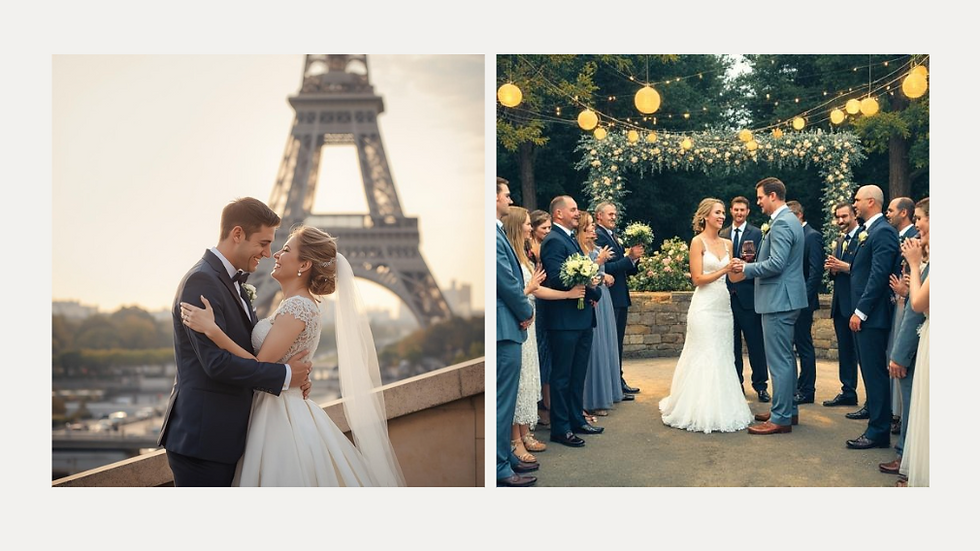
You don't need to decide exactly where, just whether it is going to be local or destination. Think about the kind of pictures you want, think about the day after the wedding and where you would want to wake up. If you are not ready to commit yet because you want to understand the cost first? Then at least start by creating basic criteria for both scenarios. For example:
If it’s local, it needs to have a view.
If it’s destination, it has to be by the beach.
Setting these standards early will help guide your decision later and keep you from getting overwhelmed by endless options.
Tips:
If it is local you will most likely have more guests attend your wedding. If it is a destination, you may have fewer guests, but can share an experience with close ones in a beautiful location and giving everyone a reason to travel.
3. Choose Your Potential Wedding Dates
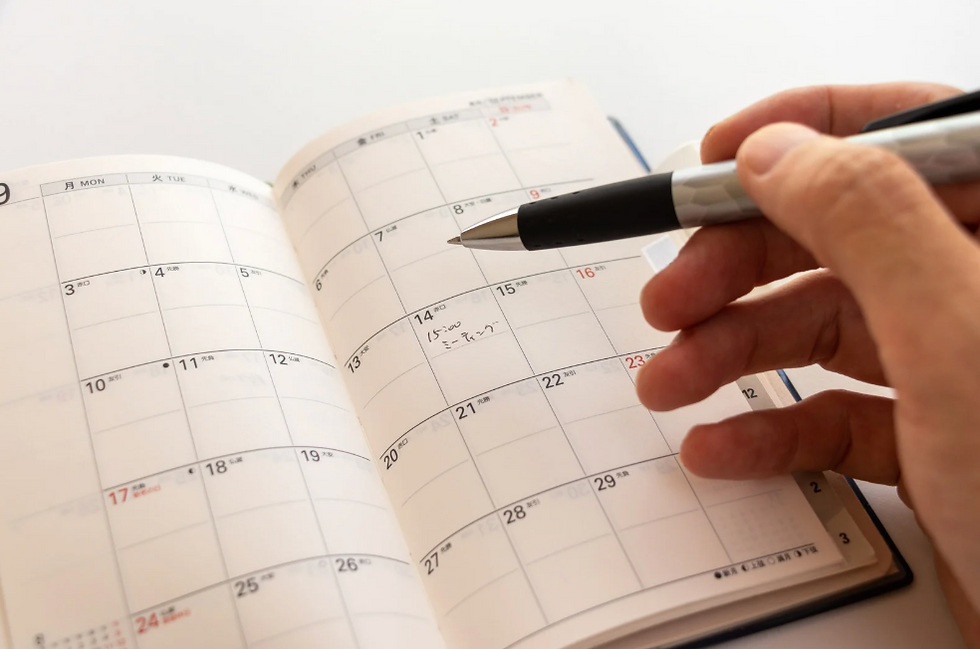
Your date will be based on weather, season, and your personal schedule. Pick two or three possible dates before visiting venues. Having flexibility will make booking easier.
Tips:
Weather first: Avoid extreme heat or cold so you and your guests are comfortable.
Avoid busy months: Steer clear of mid-November through mid-January (holiday season).
Check your own calendar: Avoid overlap with major family events (like Christmas, Mother’s Day, or birthdays) to keep future anniversaries stress-free.
Need inspiration? Explore these wedding-date superstitions and meanings.
Still stuck? Book a planning session with me and I’ll help you find your ideal windows.

4. Tour Venues
A large portion of your wedding budget will go toward the venue, so it’s worth taking time to search and vet locations thoroughly. Start on Yelp or Google, but don’t limit yourself to traditional “wedding venues.” Many stunning options aren’t marketed that way. Think creatively — restaurants with private rooms, rooftop spaces, gardens, art museums, boutique hotels, country clubs, private estates, or even a well-designed backyard. For destination weddings, begin with your dream locations and browse Pinterest, Instagram, or DestinationWeddings.com to compare options and narrow your list.
Before touring venues, prepare yourself with:
A few potential wedding dates in mind
The number of people you are planning to invite and how many are local to the area and how many are out-of-towners (this will help estimate your guest attendance).
Tips:
Only negotiate after you’ve received the full list of inclusions from each venue in writing. Compare what’s included, how many hours you get, and any extras or add-ons. Expect small adjustments rather than major price drops.
Take photos and videos so you can compare venues accurately later.
Tour with your partner — you’ll both notice different details and make a stronger decision together.
If your venue offers catering, schedule a tasting before signing the contract.
Never reveal your full budget upfront.

5. Style Decisions: Attire and Florals
Some decisions are just as important as logistics, but they are far more influenced by personal style. Wedding attire and florals fall squarely into this category. Once your venue and date are set, begin collecting inspiration for wedding attire and floral design. Pinterest and saved photos are helpful tools for identifying patterns in the style you’re drawn to.
Tips on Wedding Attire for the Couple and Wedding Party:
Begin looking early. Alterations and hemming often take 3-6 months.
If you have a wedding party, expect varying preferences. One common approach is to select a color or fabric and allow individuals to choose their own cut. Another is choosing both color and cut for a cohesive look.
Plan your footwear strategically. Many brides wear formal shoes for the ceremony and photos, then switch to more comfortable options for dancing.
If your gown is long or heavy, consider changing into a simpler second dress later in the evening so you can enjoy the celebration fully.
Tips on Florals:
Seasonal flowers are typically more budget-friendly and readily available.
Start pinning styles you love, but stay flexible. Your florist can guide you toward options that fit your vision and your budget.
Florals should complement the setting, not compete with it.
These decisions are largely driven by personal style. Once the foundational planning is in place, they become some of the most creative and enjoyable parts of the process and often play a big role in elevating how the day ultimately feels.

6. Finally, the Food!
If your venue provides catering, schedule a tasting asap and take notes. If you’re sourcing your own caterer, explore local options — most offer a standard mix of meat, chicken, fish, and vegetarian dishes. Decide what style of dining you want:
Plated dining:
A more formal, structured experience where guests select their entrée in advance through the RSVP card. Plated dinners typically include an appetizer, entrée, and dessert separate from cocktail hour offerings.
Plated service offers a refined feel and allows for clearer cost control since pricing is usually fixed per guest. From an operational standpoint, it is often the smoothest service style. Meals arrive at the correct temperature, presentation is elevated, and guests receive exactly what they selected. Dietary restrictions are often much easier to manage with this option.
If you choose this route, attend a tasting before committing so you can evaluate flavor, presentation, and portion size.
Buffet style:
A flexible and interactive option that allows guests to choose portions and return for seconds. This works especially well when you know your guests will appreciate variety or a more relaxed dining experience. No need to collect individual meal selections.
Buffets can become more expensive than expected when multiple stations or premium items are introduced. Additional food volume is typically required to accommodate self-serving, which can increase waste and overall cost. Space, rentals, and layout should also be considered.
One common drawback is potential lines, so thoughtful release timing and layout planning are important.
Food truck(s):
A fun and memorable alternative. I’ve attended beautiful weddings that used food trucks, and it made the entire evening feel relaxed, memorable, and unique. This option works great for outdoor weddings or couples prioritizing a more casual, experiential guest vibe.
Tips on Guest Experience and Timing:
Cocktail Hour:
Think strategically about appetizer selection. Offering satisfying, substantial bites helps guests stay comfortable while mingling and prevents the dinner service from feeling delayed.
Dinner Timing:
Guests should never feel unsure about when food is arriving. Review service timing with your caterer or planner to ensure a smooth transition from cocktail hour into dinner.
For plated meals, beginning dinner service alongside speeches often maintains flow and keeps guests engaged.
For buffets, consider starting speeches once most guests have returned to their seats with food so attention remains balanced.
Late-Night Wedding Snacks:
Late-night snacks are optional, but they can be a smart addition if there’s a long stretch between dessert and the end of the celebration. Offering a late-night bite helps maintain the energy of the room and keeps people comfortably fueled through the final hours of the party. The most successful late-night snacks are simple, familiar, and easy to grab between conversations or songs on the dance floor.
Popular late-night wedding snack ideas include:
Street tacos
Donuts and churros
Ice cream bar
Milk and cookies
Coffee station
S’mores bar
Self-serve popcorn
Nachos or loaded chips
These lighter options feel festive without requiring another full meal service, and they often become one of the small details guests remember most from the night.
Questions to Ask Your Caterer (Before you sign!):
Have you catered at this venue before?
How do you ensure you don't run out of food?
How do you manage and track dietary restrictions?
Do you provide the wedding cake? If not, will you handle the cake-cutting service and supply plates and silverware? (Some caterers charge an extra fee for this, so check your final quote.)
Is the tip included in the final bill? (If not, expect a standard gratuity of 15–20% of the total food and beverage cost.)
Will you handle the clean up?
Who will be managing everything the day of?
What drinks do you offer and do you provide bartender service?

7. Hire Your Photographer and Videographer
Your photographer and videographer are two of the most important vendors you will book, and they tend to fill their calendars months (sometimes a year or more) in advance. Begin this search soon after securing your venue. Start by looking for local vendors or asking your venue for a recommended list. Many photographers work with an in-house videography partner or have a trusted team they collaborate with regularly, while others keep these as separate services. Ask early so you know whether you are booking one vendor or two, and always review full portfolios or social galleries to understand their style.
Tips:
A videographer is worth it. Even if you are being mindful of your budget, having your vows, voices, and day captured on film becomes priceless — especially when your children one day ask to hear the story of your wedding.
Photographers typically structure their packages in hour blocks (such as four hours, six hours, or full-day coverage) with the option to add hours as needed. Plan start times strategically based on what you want captured — getting ready, first look, ceremony, sunset photos, or the reception. When comparing packages, review how many edited photos are included and whether you'll receive access to the full gallery.
Communicate what matters most. Share any preferred angles, meaningful poses, or must-have family combinations ahead of time with your photographer/videographer. A good photographer/videographer will build these into your timeline so nothing gets missed.

8. DJ or Band
Music plays a major role in how your wedding feels, but most couples choose one option rather than both. A DJ is typically more cost-effective and offers flexibility across genres, while a live band can create a high-energy, performance-driven atmosphere. Either choice can work beautifully depending on your priorities, budget, and guest mix.
Tips:
Whether you hire a DJ or a band, choose someone who can also serve as the MC and provide them with a timeline for your big day.
Ask how many weddings they have performed at. Weddings require a different skill set than other events.
Ask how they engage the crowd.
Ask about their style. Is humor part of their approach? Do they run games or have a more polished flow?
Clarify the playlist process. Do they curate it, collaborate with you, or expect you to provide one?
The right music partner sets the tone for the entire celebration and keeps the day moving effortlessly.

9. Wedding Bar Planning: How to Budget, Structure, and Simplify Your Bar Service
If you’re having a dry wedding, you can skip this section entirely. If you’re serving alcohol, you and your partner will need to decide what type of bar service you want to offer as the bar service is one of the most flexible parts of a wedding budget. Some couples prioritize a full cocktail experience, while others prefer a simpler offering that keeps guests comfortable without driving up costs.
The key is understanding how bar services are structured before signing a contract. Small details, such as corkage fees, pricing models, and drink selections can meaningfully affect the final bill. With a few strategic decisions, couples can create a welcoming bar experience while keeping the logistics simple and predictable.
Here are combinations that keep things simple while still allowing guests to have a great time:
Beer and wine only
Beer, wine, and one or two signature drinks
Wine and two signature drinks
Open bar until a set cut-off time, then beer and wine
Full open bar for the entire event
Hybrid Hosted Bar (Couple pays for beer, wine, and signature drinks; guests pay for shots or premium liquor.)
Timed Open Bar + Cash Bar After (2-3 hours open bar then cash bar for the final hours)
If your venue includes a bartending service, great! This makes the process much easier. If your venue doesn’t offer bartending but allows outside vendors, confirm what the requirements are from the venue before you get quotes.
Wedding Bar Service Tips:
How Wedding Bar Pricing Usually Works:
Bartending services typically structure their pricing in one of two ways.
Itemized Bar Service
Some bartending teams charge for each component separately. Mixers, garnishes, ice, cups, and alcohol quantities may all be tracked throughout the event. While this approach can work well for smaller gatherings, it introduces more variables into the final cost.
All-Inclusive Bar Packages
Other providers offer flat-rate packages based on guest count or hours of service. These typically include mixers, garnishes, bar tools, and staffing. Many couples prefer this structure because it simplifies budgeting and reduces the likelihood of unexpected charges.
Confirm corkage policies early
If you plan to bring your own alcohol such as champagne for a toast, ask the venue whether a corkage fee applies. Some venues allow outside alcohol but charge a fee per bottle. Also confirm whether unopened bottles can be returned after the event. Many couples rely on this to control costs, but policies vary depending on the venue and local licensing requirements.
Gratuity
Always confirm whether gratuity is included; if it isn’t, plan to budget an additional 15–20 percent.
Staffing: How Many Bartenders You Actually Need:
A good guideline is one bartender for every 40–50 guests. For weddings with more than 50 guests, plan on at least two bartenders regardless of guest count. This ensures that guests aren’t waiting long for drinks during peak moments.
Service, Setup, and Other Details Couples Often Miss:
Ask to see photos of past bar setups
This gives you a sense of the visual presentation, helps confirm whether the style aligns with your event and if there are any adjustments needed.
Confirm the alcohol brands they typically provide
Some bartending services work with specific distributors or house brands. If you have preferences, it’s best to clarify them early.
Verify alcohol cut-off times
Many venues stop alcohol service 30–60 minutes before the event ends or at a predetermined hour. Knowing this in advance helps avoid confusion late in the evening or, worse, paying for more hours than needed.
Provide dedicated water stations
Setting up water stations near the bar or elsewhere in the reception space. This keeps guests hydrated without slowing down drink service.
Use simple signage for signature drinks
A small sign listing the evening’s signature cocktails reduces questions at the bar and helps lines move more efficiently.
Consider serving white wine only
If wine is part of your bar menu, offering white wine instead of red can prevent stained lips and teeth in photos. It also simplifies inventory by limiting the number of bottles you need to purchase.
The Goal: A Bar That Feels Generous, Not Complicated
The most successful wedding bars focus on simplicity. Guests rarely remember the number of mixers offered, but they do remember whether the evening felt relaxed and well-hosted. A clear bar structure paired with thoughtful details like water stations and simple menus creates an experience that feels generous without unnecessary complexity.

10. Build Your Wedding Website
You don’t need every page on your site to be perfectly built out yet, but start with the essentials:
Your story and a few meaningful photos
Travel and accommodation details (especially for destination weddings)
A short list of things to do in the area for out-of-town guests
Registry links and RSVP information
FAQ Section - This dramatically reduces texts and emails.
From there, add a few key sections that guests truly rely on:
Wedding Weekend Timeline
Guests will look for this first. Include:
Ceremony start time
Cocktail hour
Reception start/end
Any pre- or post-events (welcome dinner, brunch)
Dress Code
Give a clear dress code, such as:
Garden Formal
Cocktail Attire
Beach Chic
Black Tie Optional
Transportation & Parking Details
Clarity here helps avoid confusion later. Especially helpful if:
The venue is hard to find
Parking is limited
There’s a shuttle or rideshare drop-off is separate from the entrance
Ceremony & Reception Locations (With Maps)
Even if everything is in the same place, embed a map.
Kids or No Kids?
Every couple approaches this differently. Many choose an adults-only celebration for a variety of reasons, but it’s worth remembering that asking guests to travel can be more challenging for parents. Some may prefer to bring their children rather than leave them at home, especially for destination weddings. With that in mind, some couples choose to welcome kids and let parents decide what works best for their family. Clear, gentle wording helps set expectations either way:
“Adults-only celebration.”
“Kids welcome!”
This approach gives parents the flexibility they often appreciate when travel is involved.
Weather Expectations
Guests appreciate knowing what to prepare for:
Outdoor ceremony?
Covered reception?
Grass (so heels may sink)?
A simple note works well: “Ceremony will be outdoors on the grass. We recommend a light jacket as evenings can get cool.”
Additional Tips:
If you don’t have recent photos together as a couple, schedule a quick photoshoot or ask a friend to take simple, clean shots. They don’t need to be elaborate. Save the investment for your wedding photographer later.
Start building your registry early or keep it simple with a Honeyfund if you prefer cash gifts. For destination weddings, consider skipping a wedding registry altogether. Guests are already investing in travel, so you can reserve your registry for the bridal shower rather than the wedding invitation or website.

11. Send “Save the Dates” (Optional)
If you have guests traveling or want people to secure your date early, consider sending a “Save the Date” whether as a card, magnet, or digital version.
When to send:
Typically 6–12 months before the wedding
9–12 months for destination weddings
Save the Dates are helpful, but they’re completely optional. Feel free to skip them if you prefer to go straight to invitations.

12. Create and Send Invitations
If you skipped Save the Dates, that’s completely fine. Aim to send your invitations 4–6 months before the big day (a little earlier for destination weddings).
Top Wedding Invitation Websites:
Minted
Shutterfly
Zola
Paperless Post
Etsy
What to Include in Your Invitation Suite:
Main invitation
Wedding website link
RSVP card or digital RSVP info
Meal preference card (if offering plated options)
Details card (optional but helpful for dress code, parking, shuttle info)
For plated meals: include entrée options + a line for dietary restrictions. For buffet meals: skip entrée selections but still ask for dietary needs.
Sending Your Invitations:
If mailing invitations, order a few samples first to compare color and quality.
Avoid texting invitations — it sets the wrong tone for a wedding.
Electronic invitations are perfectly acceptable today; just send them with a warm message: “Hi (name), we hope you can join us to celebrate our big day! Here is the link to our wedding invitation.”
Set your RSVP deadline early enough to finalize catering and seating charts. As a guideline:
6–8 weeks before the wedding
Earlier for destination weddings
Confirm your vendors’ deadlines for final headcounts.
Use a return address stamp or have your invitation website print it — it saves major time.
Envelope Etiquette:
Formal:
Mr. and Mrs. Smith
Ms. Sarah Smith and guest (formal plus-one wording)
Dr. Sarah Smith (use “Dr.” when addressing anyone with a doctoral degree)
The Smith Family (families with children under 18)
Mr. and Mrs. Smith, Chloe Smith, Dylan Smith, and Noah Smith(families with adult children at the same address)
Adult children at a different address receive their own invitation
Informal:
John and Sarah Smith
Sarah Smith and guest (informal plus-one wording)
When in doubt, lean toward the more formal option.
Track RSVPs Like a Pro
Keep your system simple, clean, and organized from the start. Decide what tracking method you are going to use ( I used Excel for mine). Whatever method you use, assign one person to manage the tracker so you don’t end up wondering whether your partner already updated it and you can easily manage:
Guest responses
Meal selections (if offering plated options)
Dietary restrictions
Plus-ones
Contact information
Number of adults vs. children attending (if kids are welcome)
Any notes you may need for seating charts and vendor communication
Update your tracker regularly as responses come in so you’re not scrambling as deadlines approach. This one step will save you hours when final counts, seating arrangements, and catering details are due.

13. Wedding Planner: To Hire or Not to Hire?
Hiring a wedding planner can be an incredible asset, but it’s not the right choice for every couple. Some planners handle everything with seamless precision, offering design concepts and vendor teams you may never have discovered on your own. Others may require frequent check-ins or juggle multiple large events at once, which can leave you doing more follow-up than expected.
Most planners charge around 20% of the total wedding cost, and many have preferred vendor relationships. But let’s get one thing straight: It is not a wedding planner’s job to negotiate pricing for you. Their role is coordination, logistics, and execution. Negotiating discounts is not part of their scope, and in some cases asking them to help you lower vendor pricing can conflict with their professional partnerships. Yet, they can be an incredible asset in other areas. So… is a wedding planner worth it? It depends on which type of bride or couple you are and at what point you bring them on.
Which Bride Are You?
The Organized Type-A Bride
"I can do this myself, but I want backup." You could probably run your wedding from your phone and a color-coded spreadsheet. But on your actual wedding day, do you want to enjoy the moment or troubleshoot vendor arrivals? A month-of or day-of coordinator is your best investment. It protects your peace so you can be fully present.
The Busy Professional Couple
"I am too busy to manage this." If scheduling vendor calls is starting to feel like a second job, outsourcing may be your sanity saver. Hire a pro. A full-service planner handles outreach, timelines, logistics, and decisions that would drain your calendar.
The Creative Vision Bride
"I love design but not logistics." You know exactly how you want the wedding to look, but bringing it to life is another story. A planner with a strong design background can translate your mood board into a cohesive, guest-ready experience — and connect you with the right vendors to execute it.
The Budget-Conscious Bride
"I want to save money." Going without a planner can save thousands upfront, but a good planner may help you avoid costly mistakes (like misunderstanding venue restrictions or missing hidden fees). If you feel confident navigating small hiccups and staying organized under pressure, DIY planning is doable.
So… bottomline, is a Wedding Planner Worth It?
If you’re organized, calm under pressure, and enjoy managing details: You may not need full planning, but a month-of or day-of coordinator is highly recommended so you can relax, get ready, and enjoy your celebration without dealing with logistics.
If you’re busy, easily overwhelmed, or want a seamless, guided experience: A full planner brought on early in the process is worth the investment. They manage the hundreds of micro-decisions and behind-the-scenes tasks you’d otherwise be juggling on your own
Tips:
|
No matter which direction you choose, the goal is a celebration that feels smooth, meaningful, and true to the two of you. Choose the level of support that allows you to stay present for the moments that matter most.
14. Average Wedding Costs (2025)
With that perspective in mind, let’s take a look at one of the most common questions couples ask once the planning begins: What does a wedding actually cost? These estimates do not include engagement rings, honeymoons, or separate wedding planner fees.
US National: $33–50K
California: $36–50K ($44–60K in major cities)
Texas: $24–26K
New York: $36–39K ($75K+ in major metro areas)Final Costs
The cost of a wedding will depend on the location, guest count, and vendor selections. The major cost categories for a wedding are the venue, catering, photography, flowers and decor. If you want to dive deeper into wedding costs, you can explore Nerd Wallet's wedding cost calculator here.
A Note to the Couple
Wedding planning is a journey. And like most meaningful journeys, it will bring moments of excitement, pressure, compromise, grace, and responsibility. Some days everything will feel beautifully aligned. Other days, even the smallest decision may feel unexpectedly heavy. You may even find yourselves joking (sometimes half-seriously) about skipping the planning altogether and eloping.
That’s normal.
Planning a wedding asks a lot of you. It asks for communication. It asks for patience. It asks you to balance dreams with logistics and expectations with reality. When stressful moments arise, as they inevitably will, remember that they are most often the result of simple miscommunication, unmet expectations, or fatigue.
Protect the reason you started. Pause occasionally and check in with each other. Remind yourselves that this celebration is not a performance. When the wedding day arrives, allow yourselves to release the need for perfection. No matter how thoughtfully you have planned, something may not unfold exactly as expected. A timeline may shift. A detail may be forgotten. The weather may surprise you. Let it. Those unscripted moments often become the stories you treasure most and hopefully laugh about later.
If something small goes wrong, don’t let it define the day—and certainly don’t let it define you. A single hiccup cannot undo months of intention, nor can it diminish the commitment you are making. Instead, stay open.
Be open to laughter and peace where you expected tension. Be open to beauty in the unexpected. Be open to letting the rest of the day charm you. That mindset often becomes the quiet anchor of the entire experience. It shifts your focus from control to gratitude, from pressure to presence.
In the end, your guests will not remember whether every detail was flawless. What they will remember is how it felt to witness your love. And years from now, you likely won’t remember the seating chart debate or the timeline adjustments. You will remember the way you looked at each other when you said, “I do.”
Hold onto that because this journey isn't about orchestrating a perfect day. It’s about beginning a resilient, joyful, grace-filled marriage—something far more meaningful than perfection.
Congratulations on your journey together!
If you found this guide helpful, I would genuinely love to hear how your wedding turns out. And if you have ideas for topics you want me to cover next, please let me know!
About the writer:

Kelly Formel is a former HR professional turned writer who creates practical, clarity-focused guides for modern life. Drawing from years of project work, problem-solving, and resource development, she helps readers simplify decisions, cut through the noise, and feel supported across work, home, family, and relationships. Kelly's writing blends grounded expertise with thoughtful perspective, offering the kind of calm, actionable guidance that meets people exactly where they are.
Comments